2026-11-05 ·
What to Do When Your Basement Floods After Snowmelt
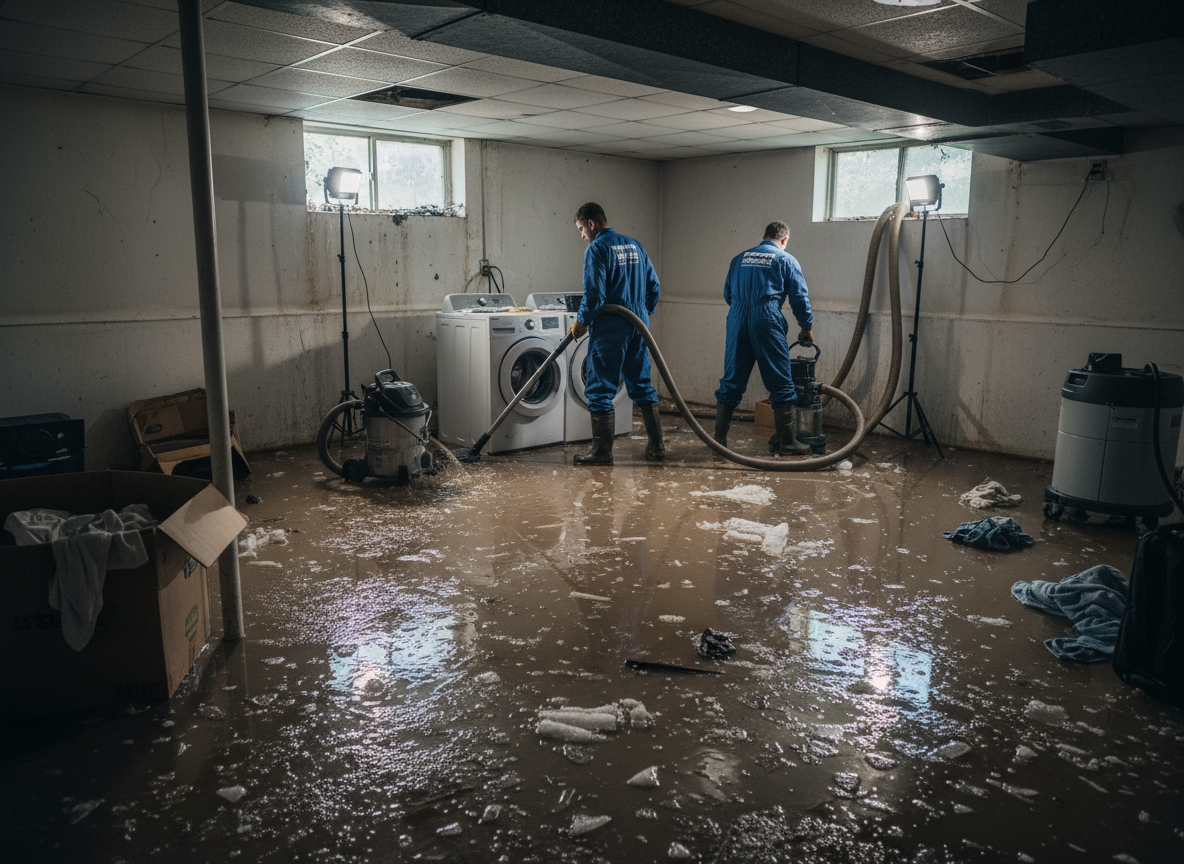
When your basement floods after snowmelt in Atlanta, Michigan, prioritize removing standing water within the first 24 to 48 hours to limit structural damage and mold risks in Montmorency County homes. Cold winters followed by rapid thaws push meltwater through foundations, especially in older housing stock common around Atlanta and nearby Lewiston.
Identify the Entry Points and Safety Risks
Snowmelt flooding in Atlanta Township and surrounding areas often enters through cracks in concrete foundations, window wells, or sump pits that overflow during heavy spring runoff. Walk the perimeter after the thaw begins to spot saturated soil against the house or ice dams directing water inward. Turn off electricity to the basement at the main panel before entering any flooded space, and avoid contact with water if sewage lines may have backed up. Document water depth and affected materials with photos for insurance purposes. Homes built before 1980 in Montmorency County frequently lack modern waterproofing, making entry points harder to seal without excavation.
Remove Standing Water Promptly
Use a wet-dry vacuum or submersible pump to extract water down to the slab level as soon as safety allows. In Gaylord and Lewiston properties, meltwater volumes can reach several hundred gallons in a single event when warm days follow heavy snowpack. Focus first on carpets, boxes, and furniture that can wick moisture upward. Move salvageable items to a dry area upstairs and dispose of porous materials like soaked drywall that sits below the water line. Continue extraction until no visible puddles remain, then check for hidden moisture behind baseboards using a moisture meter if available.
Dry the Space and Control Humidity
Open windows and run dehumidifiers once water is gone to bring indoor humidity below 50 percent within 48 hours. Atlanta's humid continental climate keeps air damp after snowmelt, slowing natural evaporation in below-grade spaces. Place fans to circulate air across wet concrete floors and walls, changing their positions every few hours. Monitor for musty odors that signal early mold, and consider professional drying equipment if moisture readings stay above 15 percent on wood framing. Preventing Frozen Pipes in Northern Michigan Winters offers related guidance on winter prep that reduces spring melt issues.
Address Hidden Damage and Long-Term Prevention
Inspect insulation and wiring for water contact, replacing any that shows corrosion or saturation. In Briley Township and Atlanta homes, repeated snowmelt cycles can erode grading around foundations over time, directing more water inward each spring. Re-grade soil so it slopes away from the house at least six inches over ten feet, and extend downspouts at least five feet from the foundation. Basement Water Removal services handle larger volumes when homeowner equipment proves insufficient. Watch for recurring seepage in the same spots, which may require French drains or exterior waterproofing.
Know When Professional Help Is Needed
Call for extraction support if water depth exceeds six inches or if the flood involves potential contaminants from nearby roads or fields. Flood Cleanup teams bring truck-mounted equipment that removes water faster than rental units in remote Montmorency County locations. Mold After Water Damage: How Fast Does It Grow? explains growth timelines relevant to warm spells after snowmelt. Schedule follow-up moisture checks two weeks after drying to confirm the structure has returned to normal levels.