2026-11-05 ·
Preventing Frozen Pipes in Northern Michigan Winters
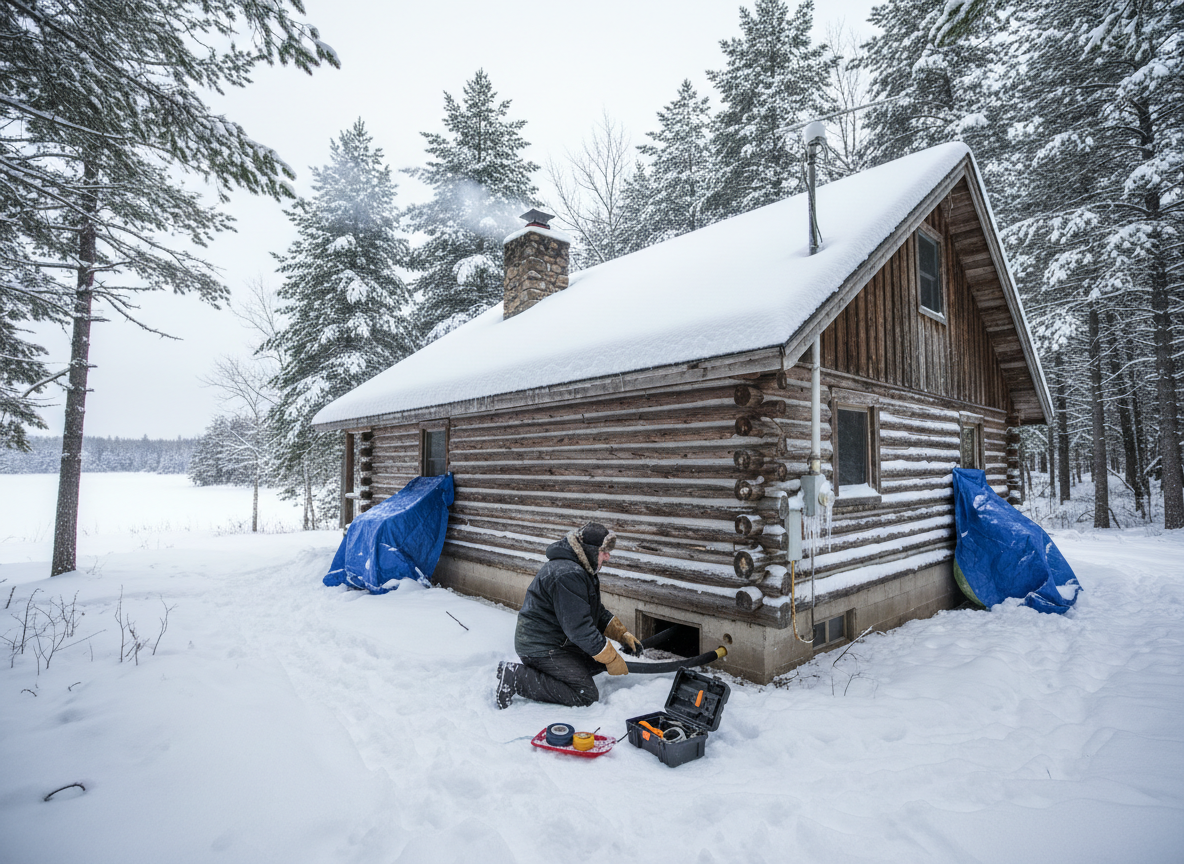
In Atlanta, Michigan, keeping indoor temperatures above 55°F and adding insulation to exposed lines in crawl spaces and basements stops most frozen pipes during Montmorency County winters. Homes here often sit on raised foundations or have older galvanized lines running through unheated areas that lose heat fast once snow piles up and winds pick up from the northwest. Gaylord and Lewiston see the same pattern, where a single night below zero can drop pipe temperatures in exterior walls if the thermostat dips or a door stays open too long.
Preparing Exposed Plumbing Before First Freeze
Walk every accessible line in Atlanta Township and Briley Township homes before November. Focus on laundry rooms, garages, and under sinks where pipes run against exterior walls. Wrap ½-inch and ¾-inch copper or PEX with foam sleeves rated for at least R-3; this slows heat loss enough to buy time when nights drop to -10°F. In 1970s and 1980s ranch houses common around Lake Fifteen, the crawl space often has only 6 inches of insulation, so add batts or rigid board over the band joist where pipes sit. Check the shut-off valve location now so you can isolate sections quickly if a line does freeze later. These steps take one afternoon and cut emergency calls by more than half in a typical winter.
Maintaining Heat in Vacant or Rarely Used Spaces
Set the furnace to 60°F even when the house is empty for a weekend. In Lewiston-area cabins and Atlanta hunting camps, owners sometimes turn the heat off entirely, allowing pipes in the utility room or bathroom to reach 32°F within eight hours once outside air hits single digits. Use a smart thermostat with remote sensors in the coldest room rather than relying on the main hallway reading. Keep cabinet doors under sinks open so warm air circulates around supply lines. If the power goes out during a storm, close interior doors to trap heat in rooms with plumbing and drain the lines if the outage lasts more than a few hours. These habits match the reality of Montmorency County winters where wind chill often makes the effective temperature 20 degrees colder than the reported low.
Monitoring and Quick Response Steps
Check the water meter for unexplained flow on cold mornings; a slow drip can indicate a small freeze forming downstream. Listen for hissing or reduced pressure at the farthest faucet. If flow stops suddenly, shut the main valve and call for frozen pipe repair before attempting to thaw with a hair dryer or heat gun. Never use open flame or space heaters pointed directly at walls. After any thaw, run water slowly for several minutes and watch for leaks at joints. If water has already escaped into flooring or insulation, the next step is often water damage restoration to prevent hidden mold growth behind baseboards.
Connecting Winter Prevention to Spring Snowmelt Risks
Pipes that survive January and February can still cause problems when rapid warming in March sends snowmelt into foundations. Older Atlanta homes with fieldstone basements see water enter through cracks once the ground thaws. Keeping lines from freezing reduces the chance of a sudden burst that saturates soil and leads to basement water removal needs. For readers dealing with repeated spring issues, the article on what to do when your basement floods after snowmelt walks through drying timelines and extraction steps specific to this climate.